Explore Balboa Park for beautiful gardens, museums, and cultural attractions
Explore the Elegance and History of Balboa Park
Balboa Park, a cultural centerpiece of San Diego, presents a storied heritage blended with beautiful architectural features. Formed in 1868, the park presents significant landmarks that highlight its historical relevance, notably from the 1915 Panama-California Exposition. Tourists can locate a selection of cultural institutions and botanical spaces, each presenting distinctive encounters. Yet, there is plenty more to unearth about the park's secret attractions and local activities that strengthen its energetic vibe.
The Historic Value of Balboa Park
Balboa Park, established in 1868, constitutes a significant cultural and recreational hub possessing immense historic importance in San Diego. Originally set aside as a public green space, its development quickened throughout the early 20th century, most notably during the 1915 Panama-California Exposition, which presented San Diego's expansion and aspirations. The exposition spurred the construction of several iconic structures, with many representing Spanish Colonial Revival architecture, a signature characteristic of the park.
Throughout the years, Balboa Park has functioned as a venue for various cultural events and festivals, stressing its role as a community gathering space. The park's rich history is also interwoven with the narratives of indigenous peoples and original inhabitants, reflecting the diverse tapestry of San Diego's history. Today, Balboa Park exists not only as a leisure location but also as an emblem of the city's historical evolution, embodying its cultural heritage and commitment to community areas.
Leading Museums to Investigate in Balboa Park
While discovering the vibrant landscape of Balboa Park, visitors come across an impressive array of museums that serve diverse interests. The San Diego Museum of Art distinguishes itself with its extensive collection of European and American art, offering a glimpse into various artistic movements. Meanwhile, the Natural History Museum engages audiences with its rich displays of fossils, gemstones, and live animal exhibits, perfect for families and nature enthusiasts alike.
For those enthusiastic for science, the Fleet Science Center provides engaging installations and an IMAX theater, fostering entertaining and enriching learning experiences. The Museum of Photographic Arts highlights impressive photographic tales, while the Timken Museum of Art extends a more exclusive experience with its European and American masterpieces. Each museum adds to the creative composition of Balboa Park, guaranteeing that visitors leave with a deeper appreciation for art, science, and history.
Balboa Park: A Gallery of Architectural Brilliance
Balboa Park exhibits a remarkable array of architectural splendors, prominently featuring the distinctive Spanish Colonial Revival manner. This unique aesthetic is enriched by a diverse mix of architectural influences that reflect the park's extensive background. As people investigate, they meet structures that convey histories of cultural value and artistic innovation.
Famous Spanish Colonial Revival
Located in the center of San Diego, Balboa Park’s architectural gems display the famous Spanish Colonial Revival style, which began in the early 20th century. Defined by its recognizable arches, tile roofs, and detailed stucco facades, this architectural style is influenced from Spain’s rich heritage. Famous buildings such as the California Tower and the Museum of Us showcase the ornate details and vibrant colors that symbolize the style. The park’s buildings blend seamlessly with lush gardens and peaceful plazas, offering a picturesque setting that invites exploration. Each building narrates a story of cultural importance, reflecting the city’s dedication to preserving its historic roots while embracing Spanish-inspired architectural beauty.
Multiple Architectural Approaches
As guests explore Balboa Park, they encounter a breathtaking array of design approaches that showcase the diverse cultural influences shaping San Diego. The park displays the detailed elements of Spanish Colonial Revival, characterized by its stucco facades and vibrant tilework. In contrast, the elegant neoclassical structures, such as the San Diego Museum of Art, Balboa Park entrance fee offer a glimpse into European architectural trends. Modern styles are evident in the smooth lines of the Mingei International Museum, while the whimsical designs of the Old Globe Theatre reflect Shakespearean themes. Each building tells a narrative, weaving together a rich tapestry of history and culture. This design diversity not only improves the park's beauty but also deepens its cultural significance.
Discover Balboa Park's Lovely Gardens
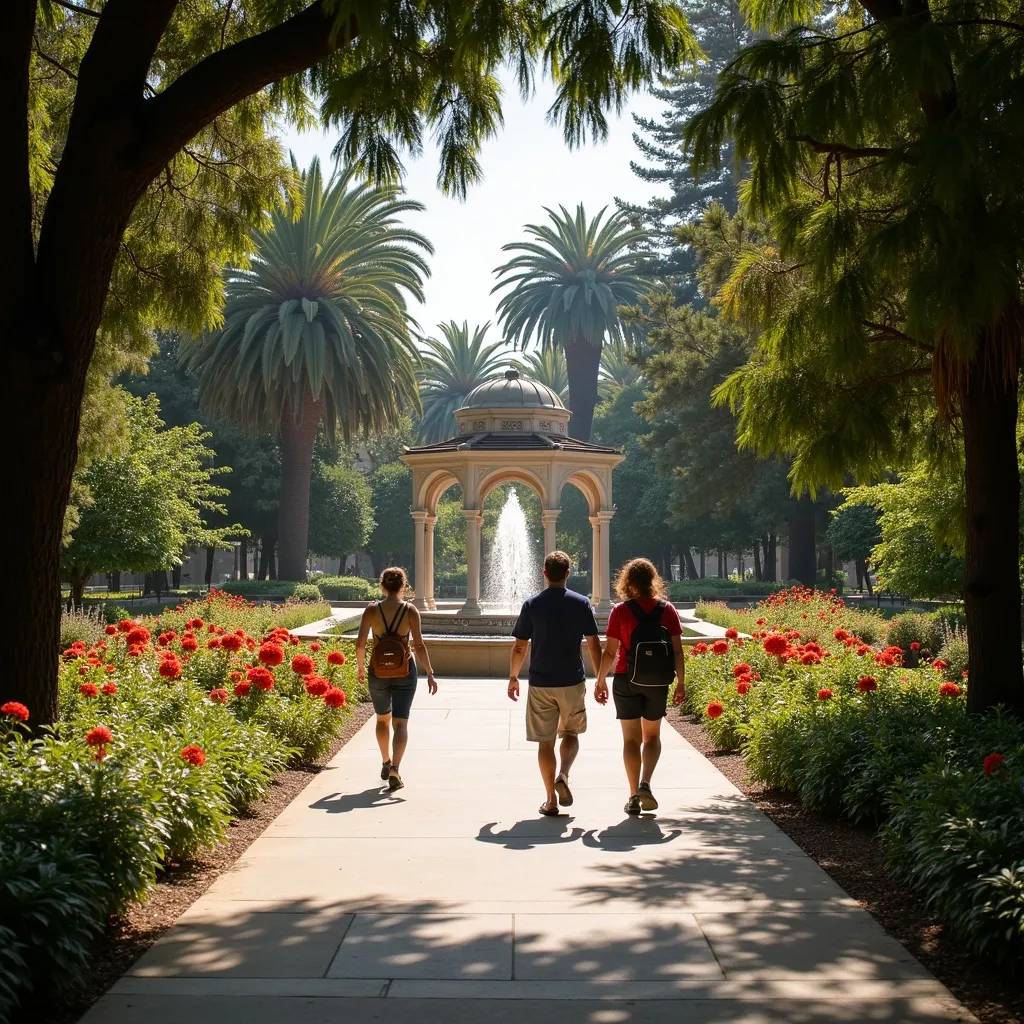
The spectacular array of gardens within Balboa Park showcases a diverse tapestry of flora, inviting visitors to immerse themselves in nature's beauty. Among the most notable is the Botanical Building, a Victorian-era structure containing an extensive collection of tropical plants and orchids. Nearby, the Rose Garden boasts over 1,600 vibrant rose bushes, forming a aromatic oasis that captivates the senses.
The Japanese Friendship Garden, with its serene koi ponds and meticulously raked gravel, provides a tranquil escape, reflecting traditional Japanese landscape design. Meanwhile, the Desert Garden features arid plants from around the world, demonstrating the adaptability of life in harsh conditions.
Each garden tells a unique story, contributing to the park's overall appeal and ecological diversity. Together, they offer an enriching experience, enabling guests to understand the intricate relationship between nature and artistry within this historic urban landscape.
Exciting Attractions for All Guests in Balboa Park
Visitors of all ages will find numerous activities waiting in Balboa Park, which ensures a unforgettable experience for all. Families might explore the interactive exhibits at the San Diego Natural History Museum or take in the fascinating marine life at the Birch Aquarium. Art fans can explore the San Diego Museum of Art, while children enjoy the colorful playgrounds located throughout the park.
For people in search of external pursuits, the park provides walking paths and scenic spots suitable for picnics. The historic carousel and miniature train deliver reminiscent fun for younger visitors. Furthermore, yearly celebrations, such as open-air musical events and artistic gatherings, present the park's lively local energy.
Guests can additionally partake in curated walks, which deliver knowledge about the park's substantial historical and architectural heritage. With such a expansive array of activities, Balboa Park genuinely fulfills the interests and enjoyment of all who enter its picturesque grounds.
Tips for Exploring Balboa Park
Navigating Balboa Park can often be a delightful difficulty for first-time visitors. To enhance their experience, it is advisable to begin at the Visitor Center, where guides and materials are readily accessible. These materials provide valuable information into the park's layout and attractions. Visitors should prioritize their must-see destinations, as the park spans over 1,200 acres and provides numerous gardens, museums, and trails.
Choosing to visit on weekdays can reduce crowds and provide a more easygoing exploration. Comfortable shoes are a must, considering the park's varied terrain. Using the tram service is a wise way for visitors to see more efficiently. Additionally, it’s wise to check the park’s calendar for any special exhibits or installations. Finally, taking time to explore hidden areas can yield pleasant surprises, enriching the overall experience at Balboa Park.
Community Gatherings and Cultural Engagement in Balboa Park
Cultural events and community engagement at Balboa Park exude vibrancy, where diverse programs honor art, history, and local traditions. The park operates as a dynamic hub, presenting numerous festivals, performances, and workshops that bring residents and visitors alike. Annual events like the Balboa Park December Nights illustrate the rich cultural tapestry of San Diego, including live music, dance, and food from various communities.
Additionally, Balboa Park champions community inclusion through its outreach programs, stimulating participation from all communities. Learning programs, often conducted in partnership with local educational facilities, elevate awareness of the park's historical value and the creative arts. Via these initiatives, Balboa Park not only protects its heritage but also builds a sense of community among its patrons. This emphasis on artistic engagement renders Balboa Park an essential component of San Diego's essence, improving the lives of those who visit and work in the region.
Frequently Raised Questions
What Are the Park's Operating Hours Throughout the Year?
Balboa Park usually opens every day at 9 a.m. and shuts down at 5 p.m. during winter, prolonging hours to 6 p.m. throughout spring and summer, with specific attractions having diverse schedules over the course of the year.
Is There an Entrance Fee for Balboa Park?
No entrance fee is required at Balboa Park for typical entry. Certain facilities located within the park may impose individual entrance charges. Guests must review each venue's policies regarding detailed pricing.
Are Animals Permitted in Balboa Park?
Pets are typically permitted in Balboa Park, provided they are leashed. However, specific areas and attractions may have limitations. Visitors should review park regulations to ensure a enjoyable visit for everyone.
Where Should I Look for A Spot Nearby Balboa Park?
Parking near Balboa Park is found in numerous lots and on surrounding streets. Visitors should look for assigned parking areas and contemplate using parking apps for live availability to minimize congestion during high-traffic times.
When Should You Schedule Your Visit to Balboa Park? Best Season
The ideal time to visit Balboa Park is during weekdays, specifically in the morning or evening hours. These times provide reduced foot traffic, favorable climate, and perfect chances to discover its gardens and attractions serenely.